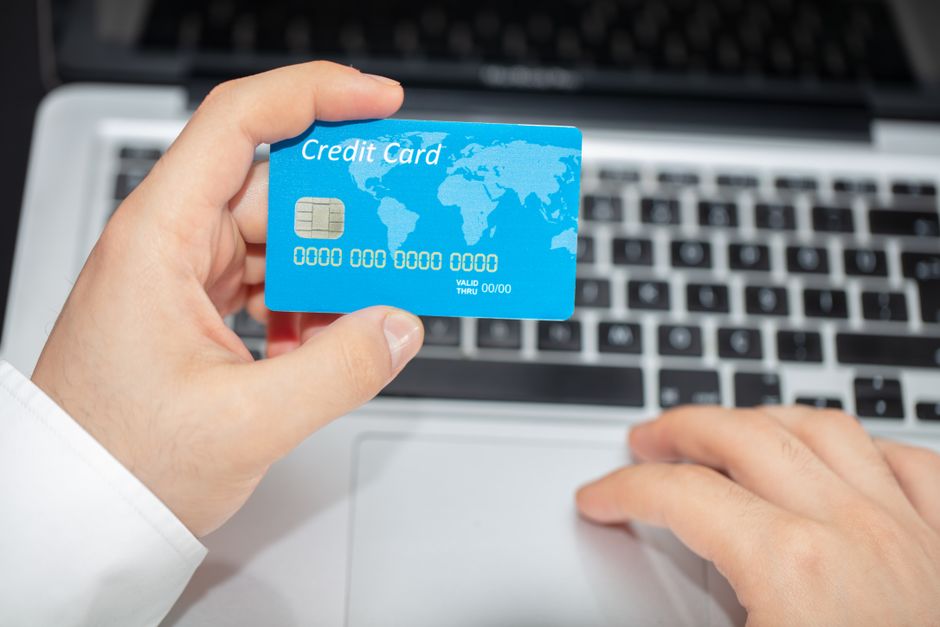
Start With the Basics of Safer Online Shopping
This page is your starting point for practical, plain-language guides on protecting your payments and personal data when you shop online. The articles here explain common fraud warning signs, safer ways to pay, and simple checks you can use before, during, and after a transaction. The goal is to help you shop with more confidence and spot problems early.
- Recognize phishing messages, fake storefronts, and pressure tactics that push you to pay quickly.
- Choose payment methods that offer stronger dispute protection and avoid sharing more personal data than needed.
- Review receipts, order confirmations, and account activity so unexpected charges are easier to catch.
Build a Simple Payment Safety Routine
A strong routine does not need to be complicated. Use a dedicated payment method for online purchases, verify the seller before checkout, and keep your devices and accounts updated. If something feels unusual, pause the transaction and check the details through an official source rather than a link in a message.
- Confirm the website address and look for secure checkout indicators before entering payment details.
- Use strong, unique passwords and enable multi-factor authentication where available.
- Keep records of orders and monitor statements for charges you do not recognize.
Each guide on this blog is written to help you make safer choices without technical overload. Start with the topics that match your current concern, then use the checklists and explanations to improve how you protect payments and personal information over time.